
DIY Home Improvement Tips: Save Time and Money


Planning Your Project
Embarking on a DIY home improvement project can be exciting and rewarding. To ensure success, start by planning thoroughly. Create a list of what needs to be done and prioritize tasks. This will help you manage time effectively and avoid unnecessary expenses.
Consider setting a budget before you begin. This will keep your spending in check and help you make informed decisions about materials and tools. Researching costs online can provide a good starting point for your budget.

Choosing the Right Tools
Having the right tools is essential for any DIY project. Invest in quality tools that you will use frequently, such as a power drill, saw, and measuring tape. For specialized tasks, consider renting tools to save money.
Watch tutorial videos or read guides to learn how to use tools effectively. This will help you avoid mistakes and complete your project efficiently. Remember, using tools safely is just as important as using them correctly.
Shopping for Materials
Shopping for materials can be overwhelming, but with a few tips, you can save both time and money. First, compare prices at different stores and online. Look for sales and discounts, which can significantly reduce costs.
Consider buying materials in bulk if you have multiple projects lined up. This not only saves money but also minimizes trips to the store, saving you time.
Tackling the Project
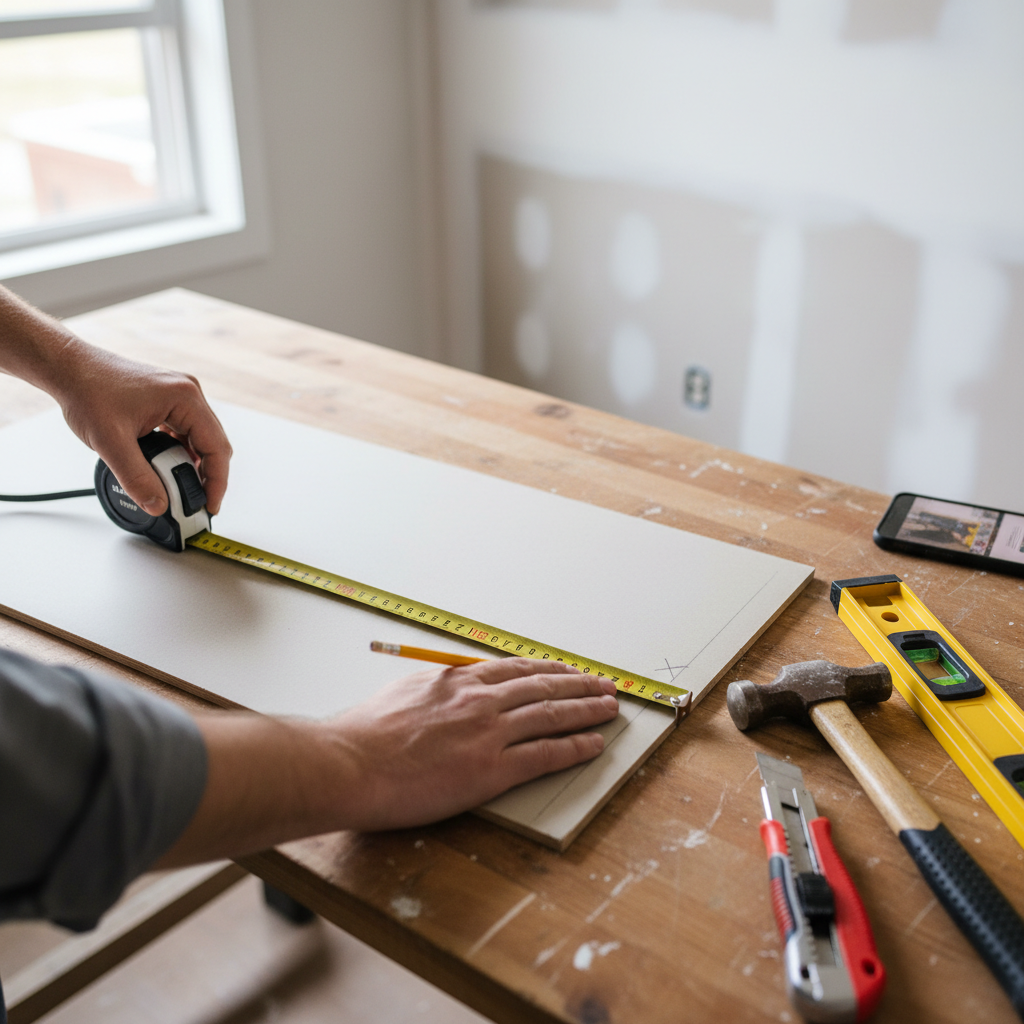
Once you have everything ready, it's time to tackle the project. Break down the tasks into manageable steps and focus on one at a time. This approach prevents the project from becoming overwhelming and helps maintain motivation.
Don't hesitate to ask for help if needed. Family or friends can provide assistance and make the process more enjoyable. Plus, having an extra set of hands can speed up the work significantly.
Finishing Touches
The final touches can make or break your DIY project. Pay attention to details such as paint finishes, trim work, and hardware. These elements can elevate the overall look and feel of your project.
Remember to clean up thoroughly after completing the work. A tidy space not only enhances the appearance but also ensures safety by removing any leftover tools or materials.
Maintaining Your Work
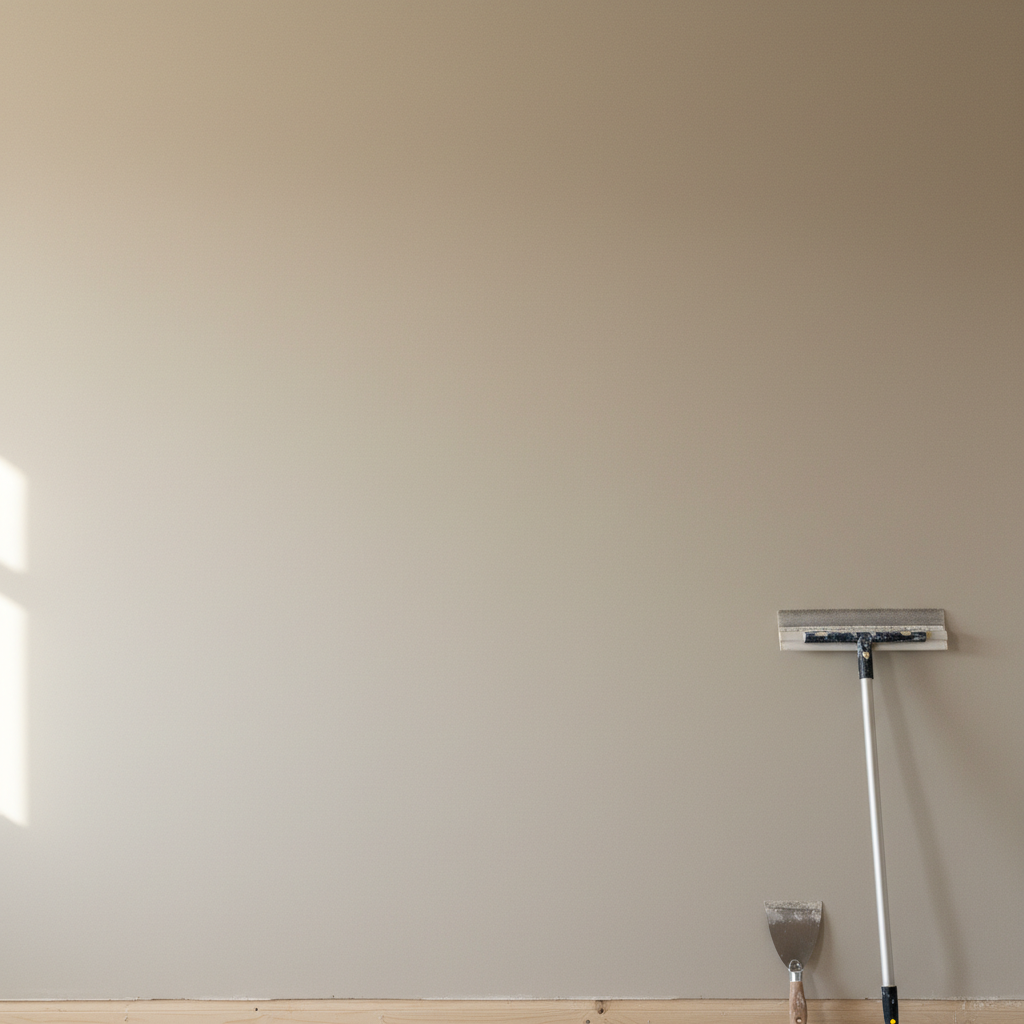
After completing your project, regular maintenance is key to ensuring its longevity. Create a schedule for routine checks and fixes, such as tightening loose screws or touching up paint.
By maintaining your home improvement work, you protect your investment and keep your home looking its best. This proactive approach can save you time and money in the long run.